Candy Land Kingdom of Sweet Adventures Kids Board Game Review
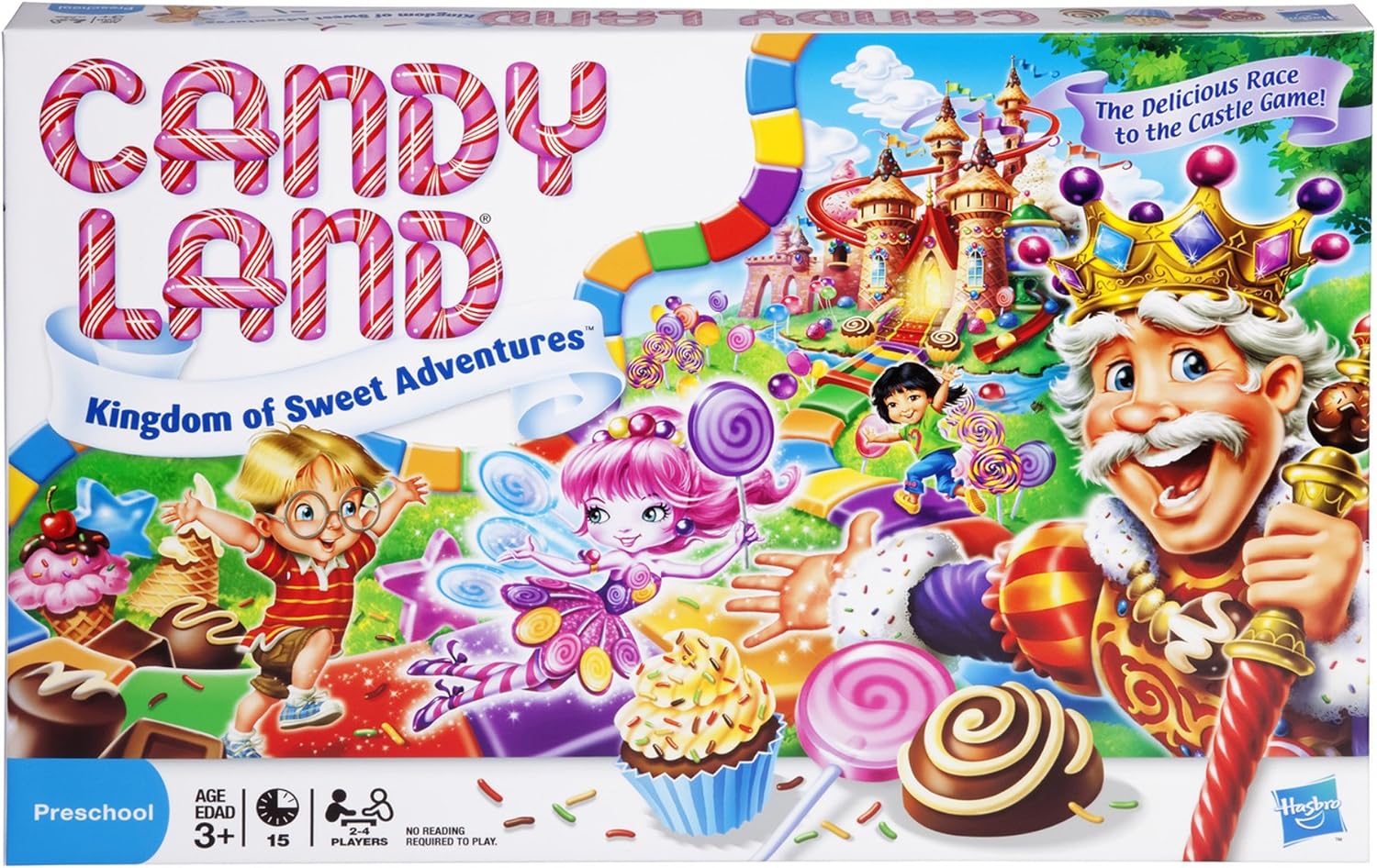
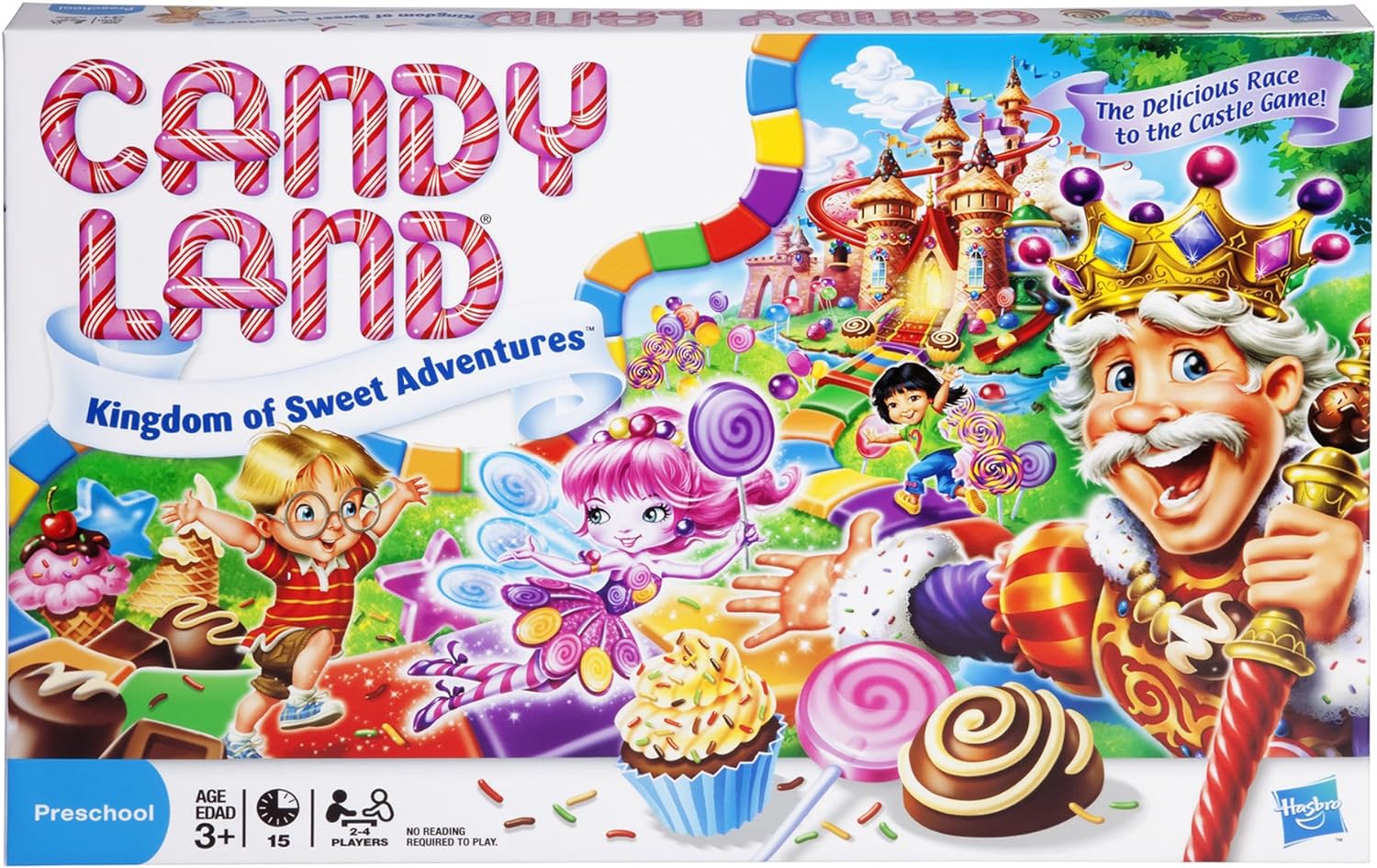
Looking for a board game that can actually hold a preschooler’s attention? Take a look at “Candy Land: Kingdom of Sweet Adventures Kids Board Game.” This classic has been around for generations, and it still holds up. Designed for 2-4 players, the goal is simple – be the first to reach King Kandy’s castle. The path is packed with colorful candy-themed stops that keep young kids excited from the first card to the last.
Here’s something parents of young kids will appreciate right away: no reading is required to play. That means ’kids as young as 3 can join in completely on their own, no help needed.
Whether you need a rainy day activity or a birthday gift for a child who’s just getting into games, Candy Land is built for ages 3 and up and ’reliably gets kids laughing and engaged around the table.

Why Consider This Product?
If you grew up playing Candy Land, passing it on to your own kids is genuinely satisfying. Candy Land: Kingdom of Sweet Adventures is built specifically for preschoolers, with colorful cards, playful characters, and mechanics that click for young children. Here’s a closer look at what makes it worth picking up.
Encourages Imaginative Play
Candy Land pulls kids into a world built entirely from sweets and fantasy. As they move toward King Kandy’s castle, they pass through candy-coated landscapes and cross paths with fun characters. The visuals alone spark a child’s imagination, and it’s common for kids to start building little stories around what they see on the board.
Easy to Learn and Play
The rules take about two minutes to explain, which is exactly what you need with preschoolers. Kids who haven’t learned to read can play completely independently because the game runs on color matching alone. Draw a card, find the matching color on the board, move your gingerbread pawn. That’s the whole game. That simplicity builds real confidence in young players.
Builds Social Skills
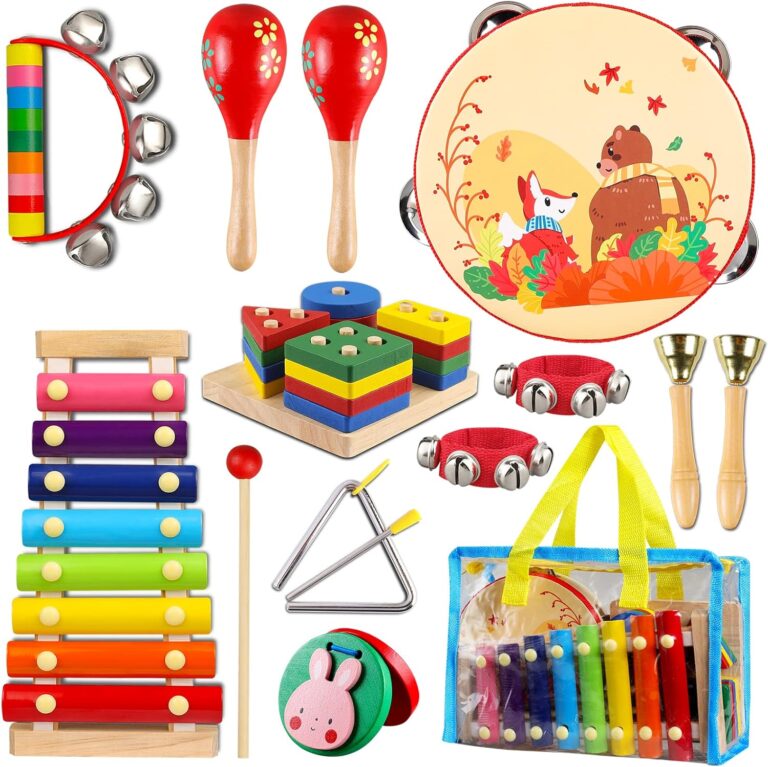
A board game teaches kids more than they realize while they play. Taking turns, waiting without complaining, handling a loss, and cheering for a sibling or friend are all part of the experience. Candy Land gives young children a low-stakes space to practice those habits. Games are short and lighthearted, so even the youngest players can stay involved without frustration. If you want to pair game time with creative play, check out our review of the DIFFYBOX toddler musical instruments set, which is another great option for keeping preschoolers engaged and having fun.
Features and Benefits
Candy Land: Kingdom of Sweet Adventures includes several features that make it a strong pick for preschool-age kids. Here’s a closer look at what’s in the box and why it matters.
Colorful Cards
The color-coded card deck is what drives the game forward. Kids draw a card and move to the matching color on the board, quietly reinforcing color recognition with every turn. The cards are bright, easy to handle for small hands, and need no explanation to use.’re practicing color recognition without even thinking about it. The cards are bright, easy to handle for small hands, and simple enough to use without any explanation.
Sweet Destinations
The board features named locations like Lollipop Woods and Peppermint Forest scattered along the path. These spots aren’t just for show. They give kids a sense of progress and something to look forward to as they move. Landing on a special location almost always gets a reaction from younger players.
Fun Illustrations
The artwork is playful and detailed, with characters and settings that feel inviting without being cluttered. Kids naturally stop to comment on what they see, which turns into conversation and storytelling around the table. The illustrations give the game a personality that goes beyond a simple race.
No Reading Required
Candy Land requires zero reading ability, which opens it up to the full preschool age range. A child as young as 3 can pick up a card and know exactly what to do based on color alone. It’s one of the only games where a preschooler can fully participate without a parent guiding every move.

Product Quality
The components hold up well to daily use by young kids. The board is sturdy, the gingerbread pawns are solid, and the cards are printed on thick cardstock that resists bending. Preschoolers are not gentle with game pieces, and this set is built to handle that kind of use. It’s not flimsy or cheaply put together, which means it’s a solid long-term addition to any toy shelf.
What It’s Used For
Candy Land fits naturally into a variety of everyday situations. Whether it’s a quiet afternoon at home, a playdate, or a dedicated family game night, it works well across the board. Here are a few ways families put it to use:
Family Bonding
Candy Land is short enough that adults are happy to play it, and engaging enough that kids stay focused through the whole thing. It gives parents and older siblings a low-effort way to connect with the youngest members of the family. The game wraps up in about 20 minutes, so it fits easily into a busy evening.’t dread playing it, and engaging enough that kids stay focused. It gives parents and older siblings an easy way to connect with the youngest kids in the family. The whole thing wraps up in about 20 minutes, so it’s easy to fit into a busy evening.
Early Learning
The game builds color recognition and basic counting in a way that feels completely natural. Kids draw cards, match colors, count spaces, and follow a sequence without ever feeling like they’re doing schoolwork. It’s a practical hands-on activity for children just beginning to develop those foundational skills.
Enhancing Social Skills
Playing with other children puts real social situations in front of kids in a friendly setting. Waiting for a turn, reacting well when someone else pulls ahead, and supporting a friend who falls behind all come up naturally during a game. Those small repeated moments build habits that carry over into other parts of life.
Imaginative Play
The candy world setting gives kids an easy jumping-off point for creative play beyond the rules of the game. Some kids will narrate their character’s journey out loud, others will invent dialogue for the figures on the board. That kind of open-ended thinking helps build both creativity and early language skills.


Product Specifications
Here’s a quick summary of the key specs for Candy Land: Kingdom of Sweet Adventures:
| Specifications | Details |
|---|---|
| Players | 2-4 |
| Age Range | 3 years and up |
| Game Duration | Approximately 20 minutes per session |
| Components Included | Game board, gingerbread character pawns, cards, etc. |
| Dimensions | 10.6 x 1.6 x 10.6 inches |
| Weight | 1.3 pounds |
Who Needs This
Candy Land: Kingdom of Sweet Adventures is a great pick for parents, grandparents, and teachers looking for a simple, dependable board game for young children. It’s designed for ages 3 and up, making it a natural fit for home playrooms, preschool classrooms, and daycare settings. Whether you’re buying a birthday gift or stocking a classroom game shelf, this is the kind of game that gets pulled out again and again.’
Pros and Cons
No game is the right fit for every family. Here’s an honest look at where Candy Land: Kingdom of Sweet Adventures delivers and where it falls short.
Pros:
- Simple enough for 3-year-olds to play on their own.
- Sparks storytelling and imaginative thinking.
- Reinforces color recognition and early counting skills.
- Teaches turn-taking and good sportsmanship in a relaxed setting.
- No reading required, so every preschooler can play equally.
Cons:
- Older kids and adults will find the gameplay too basic to stay interested.
- The outcome is entirely luck-based, with no strategy involved at any point.
- Replay value drops off as kids grow past the preschool stage.
FAQ’s
1. Can toddlers play Candy Land?
Candy Land is recommended for children ages 3 and up. A younger toddler might enjoy handling the pieces and looking at the board, but they’ll need help with the rules and will get a lot more out of the game once they’re closer to 3.
2. How long does a game of Candy Land typically last?
A typical game runs around 20 minutes, though it can go a little shorter or longer depending on how the cards fall and how many players are at the table.
3. Is Candy Land a cooperative or competitive game?
Candy Land is competitive. Every player is racing to reach King Kandy’s castle first. That said, the game’s relaxed tone and quick pace keep it friendly rather than intense.
4. Can Candy Land be played with just two players?
Yes, two players works perfectly fine. The game supports up to four, and more players add a bit of extra back-and-forth energy, but two is a great way to play.
What Customers Are Saying
Parents who’ve picked up Candy Land: Kingdom of Sweet Adventures consistently mention how well it keeps young children’s attention. Here’s what a few of them had to say:
- “My kids absolutely love Candy Land! It’s one of the few games they can play on their own without asking for help every five minutes. The colors, the characters, the whole setup keeps them locked in. Highly recommend it for any family with preschoolers.”
- “This is the perfect starter board game. My kids picked it up immediately, and the quality is solid. It’s held up through dozens of games already and still looks great. Worth every penny, and I know it’ll be around for years.”
- “Got this for my niece and she plays it almost every day. It’s just the right mix of fun and learning for her age. Bonus: it’s short enough that the adults at the table don’t mind playing a round or two either.”
Overall Value
Candy Land: Kingdom of Sweet Adventures delivers solid value at a modest price. The build quality is good, the game is well-suited to its target age group, and it works as both entertainment and an early learning tool at the same time. For families with preschoolers, it’s one of the easier calls in the board game aisle.
Tips and Tricks for Best Results
A few simple ideas to get more out of your Candy Land games:
- Encourage storytelling: Ask kids what their character sees as they pass through each location. Even a sentence or two of narration per turn makes the game feel richer and builds language skills without any extra effort.
- Adjust for older players: If an older child is playing alongside a younger sibling, add a simple house rule to give them a bit more to think about. It helps keep everyone engaged at their own level.
- Lean into the learning: Use turns as a low-key teaching moment. Ask kids to name the color before they move, or count the spaces out loud as they go. It adds value without taking anything away from the fun.’
- Set a regular game night: Making Candy Land part of a weekly routine gives kids something to look forward to and builds a natural habit of unplugged family time. It’s a simple way to carve out consistent time together without much planning involved.
Final Thoughts
Candy Land: Kingdom of Sweet Adventures has been around for decades because it works. It’s simple, colorful, and genuinely fun for young children. If you’re shopping for a first board game or a gift that will actually get used, this one is a safe bet. Get your little ones around the table and start moving those gingerbread pawns toward King Kandy’s castle. It’s a short trip, but kids will want to make it over and over again.

Disclosure: As an Amazon Associate, I earn from qualifying purchases.
Related posts:
 Gut Bustin’ Games Redneck Life Board Game Review
 My Lil Everdell Review
 Hasbro Twister Party Classic Board Game Review
 Hasbro Gaming Battleship Classic Board Game Review
 Ticket to Ride Board Game Review
 Hasbro Gaming The Game of Life Game Review
 Sheriff of Nottingham 2nd Edition Board Game Review
 Hasbro Gaming The Game of Life: Super Mario Edition Board Game Review