Are VTech Toys Good For Development?
Are VTech toys actually worth buying for your child’s development? Here’’s an honest look at what these toys offer and where they fall short. We’’ll go through the real developmental benefits, the limitations, and what to watch out for so you can decide if VTech is a good fit for your child’’s age and stage. If you’’re trying to figure out whether VTech toys will actually help your child learn and grow, this guide breaks it down clearly. We’’ll look at the specific developmental areas these toys target and whether they deliver on that promise. By the end, you’’ll have a clearer picture of when VTech toys are worth it and when you might want to look elsewhere. In this post, we’’ll cover the key features, age recommendations, developmental benefits, and a few things to keep in mind before buying. Let’’s get into it.
From the interactive buttons on baby toys to the learning tablets for older kids, we’’ll walk through the developmental value of VTech toys and give you a clear, honest take on whether they belong in your home.
Understanding VTech Toys
What are VTech Toys?
VTech makes electronic educational toys aimed at children from infancy through early school age. The brand focuses on combining play with learning, using technology to make basic educational concepts more engaging for young kids.
Their product range covers a wide age span, from sensory toys for newborns to learning tablets for kids up to age nine. The idea is that the toys grow with the child, with each stage offering content that matches their developing abilities. If you’re weighing electronic toys against more traditional options, our breakdown of whether kids actually prefer electronics over traditional toys is worth a look before you decide.
Features of VTech Toys
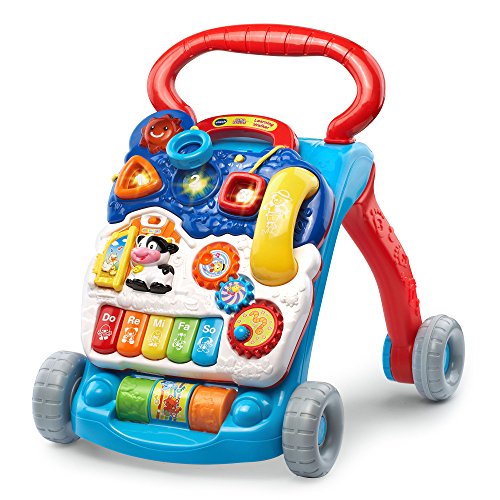
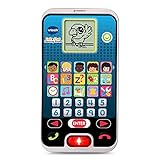
Most VTech toys are built around some form of interaction, whether that’s physical buttons, touchscreens, or motion sensors. The goal is to keep kids actively engaged rather than just watching or listening. That interaction is what separates them from passive toys and gives them more developmental potential. Children’’s actions trigger responses, which reinforces cause-and-effect thinking and keeps their attention longer. The educational content is woven into the play, covering letters, numbers, colors, shapes, and basic vocabulary. A handful of models also include simple voice recognition so kids can interact by speaking out loud.
That voice interaction adds another layer of engagement and can support early language development in a low-pressure way.
VTech designs their toys with young children in mind, using rounded edges and non-toxic materials throughout. All products go through safety testing before they hit shelves.
The build quality is generally solid. These toys are made to handle rough handling, repeated dropping, and the general chaos of toddler play without falling apart quickly.
Popular VTech Toy Categories
VTech organizes their toys into clear age-based categories, which makes it easier to find something that fits where your child actually is developmentally.
- Baby Toys: Built for infants, these toys use light-up buttons, soft textures, and gentle melodies to stimulate early senses and introduce basic cause-and-effect play.
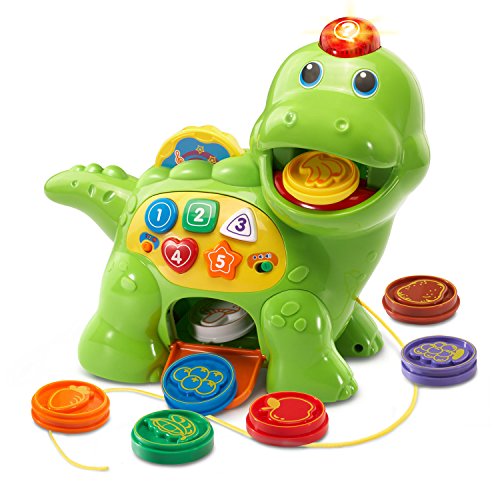
- Toddler Toys: Designed for ages one to three, these include alphabet buttons, shape sorters, and simple puzzles. The focus is on building early cognitive and motor skills through repetition and hands-on play.
- Preschool Toys: For ages three to five, these toys offer more complex features like interactive games, music, and storytelling. They support language development, early problem-solving, and imaginative play.
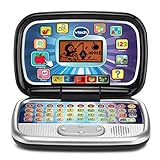
- Learning Tablets: VTech’s tablets are designed for children aged three to nine. They include educational games, quizzes, and activities across subjects like reading, math, and basic science, delivered through a screen-based format.


The Importance of Early Childhood Development
Why Early Childhood Development Matters
The early years of a child’’s life are when the brain forms the most connections. What a child experiences between birth and age six shapes how they think, communicate, and relate to others for years to come. The skills built during this period, from language to motor control to emotional regulation, become the foundation that everything else is built on. Children’’s brains are especially receptive during these early years, which is why the quality of play and stimulation matters.
Key Areas of Development
Early childhood development covers several connected areas: cognitive development, language and communication, fine motor skills, and social and emotional growth. Good toys can support all of these, though no single toy covers everything.
Benefits of Interactive Toys
Interactive toys give children something to respond to, which is more developmentally useful than passive entertainment. A toy that reacts when a child presses a button or completes a task teaches cause and effect, reinforces persistence, and builds confidence. VTech’’s approach leans into this, using interactive elements to drive engagement while layering in educational content. The combination can support cognitive growth, language exposure, fine motor development, and basic social skills depending on the specific toy.
VTech Toys and Development
Research and Studies
Studies looking at VTech toys have generally found positive associations with child development outcomes, particularly in cognitive and language areas. The results are encouraging, though most experts note that toys work best as one part of a broader play environment rather than a standalone solution.
Cognitive Development
VTech toys are designed to give kids repeated opportunities to practice thinking skills. Features like puzzles, sorting activities, and sequencing games push kids to reason through problems rather than just press buttons randomly. This supports the development of logical thinking, memory, and spatial awareness in an age-appropriate way.
Language Development
Language exposure is built into a lot of VTech toys through vocabulary activities, letter recognition, and story-based content. Hearing words repeatedly in context helps young children build their vocabulary and start connecting sounds to meaning. For kids who are just beginning to talk, these kinds of toys can reinforce what they’re already learning through everyday conversation.
Fine Motor Skills Development
Pressing buttons, turning knobs, fitting puzzle pieces, and moving sliders all require small, controlled movements that build fine motor strength over time. VTech toys involve a lot of these actions, which helps children develop the hand-eye coordination and finger dexterity needed for writing, drawing, and self-care tasks later on.
Social and Emotional Development
Some VTech toys support imaginative and role-based play, which is where a lot of social and emotional learning happens. When kids act out scenarios, take turns, or play alongside others, they practice empathy, emotional recognition, and basic social skills. Toys that prompt cooperative or pretend play are particularly useful in this area.
Age Appropriateness of VTech Toys
Infants and Toddlers

VTech’s baby and toddler toys are designed with sensory exploration in mind. They use bright colors, varied textures, and simple cause-and-effect mechanics to engage very young children safely. The content at this age focuses on foundational concepts like shapes, colors, animal sounds, and basic numbers, delivered in short, repetitive bursts that match short attention spans.
Preschoolers
VTech Toys for preschoolers VTech toys for preschoolers step up in complexity to match where kids are cognitively. Expect more involved games, early literacy and numeracy content, basic puzzles, and storytelling features that let kids engage at a deeper level than the toddler range.
School-Age Children
For older kids, VTech primarily offers learning tablets and interactive educational devices. These cover subjects like math, reading, science, and even basic coding. The goal is to reinforce what kids are already learning in school, but in a format that feels more like play and less like homework.
Potential Benefits of VTech Toys
Enhanced Learning Opportunities
VTech toys make educational content interactive, which tends to keep kids engaged longer than passive formats like flashcards or worksheets. Active participation helps children retain information and practice skills repeatedly without getting bored quickly. That combination of engagement and repetition is genuinely useful for early learning.
Promoting Creativity and Imagination
Several VTech toys include storytelling features, open-ended play modes, or role-play elements that give kids room to make things up rather than just follow instructions. This kind of play builds creative thinking and helps children develop their own narratives and ideas. It also tends to hold their attention longer because they have real agency in what happens. Children’’s imagination gets a real workout when the toy responds to what they create rather than directing everything.
Improving Problem-Solving Skills
Puzzles, matching games, and interactive challenges built into VTech toys ask kids to think before they act. Working through a problem, getting feedback, and trying again builds persistence alongside cognitive skill. These habits of thinking carry over into school and everyday situations long after the toy is outgrown. Children’’s ability to work through frustration and find solutions gets stronger with this kind of repeated practice.
Stimulating Curiosity and Exploration
VTech toys are designed to reward exploration, so kids who poke around and try different things get positive feedback. That loop of curiosity and discovery encourages a mindset where learning feels good. Children’’s natural drive to figure things out gets reinforced when a toy responds meaningfully to their actions, which can build a longer-term interest in learning.
Considerations for Parents
Selecting Appropriate Toys
Match the toy to your child’s current developmental stage rather than buying ahead. A toy that’s too advanced will be ignored, and one that’s too simple won’t hold their interest for long. Look at the specific skills each toy targets and choose ones that complement what your child is working on right now. It’’s also worth mixing educational toys with open-ended ones so kids get both structured and free-form play in their day.
Balancing Screen Time
Some VTech toys involve screens, which is worth being intentional about. Screen-based play has its place, but it works best when it’s one part of a varied routine rather than the default activity. Make sure your child also gets time for physical play, outdoor time, and unstructured imaginative play alongside any screen-based learning. It’’s less about the screen itself and more about whether play overall is varied and balanced.
Supervision and Guidance
Sitting down to play alongside your child makes a real difference, especially with younger kids. When you ask questions, point things out, or just show interest in what they’re doing, the learning sticks better. It’’s not about hovering, just being present enough to guide when needed and to share in the experience. That involvement also helps you notice whether the toy is actually engaging them or just being ignored.
Safety Concerns and Regulations
VTech Toy Safety Standards
VTech follows established safety regulations and tests their toys for physical safety, material safety, and age appropriateness before they’re sold. Non-toxic materials are standard across the range, and the toys are built to be durable rather than fragile. For a brand selling to babies and toddlers, that baseline is exactly what you’d want.
Common Concerns
The most common concerns with VTech toys, as with most electronic toys, are around screen time, content quality, and over-reliance on device-based play. These are valid things to think about, but they’re manageable. Following the age guidelines, staying involved during playtime, and setting reasonable limits on how long kids use them addresses most of these issues.
Tips for Ensuring Safe Play
A few simple habits will keep playtime with VTech toys safe and positive:
- Read the manufacturer’’s instructions before your child uses a new toy, and follow the age and usage guidelines.
- Check toys regularly for cracks, loose parts, or worn-out components. Damaged toys should be replaced rather than repaired and continued in use.
- Keep batteries and small components stored securely and out of reach of young children.
- Set up a play area that’s clear of hazards and has enough space for the child to move safely.
- Set basic expectations around how toys are used, including not throwing them or using them to hit.
- Stay nearby during play, especially with children under three, so you can step in if needed.
Expert Opinions on VTech Toys
Pediatricians and Child Development Experts
Pediatricians and child development specialists generally view VTech toys positively when they’re used as part of a well-rounded play environment. The key point most experts make is that age-appropriateness matters, and that toys should support development across multiple areas rather than focusing too narrowly on one.
Educational Experts and Researchers
Research on VTech toys has produced positive findings in areas like cognitive development, language skills, and early social learning. The consistent message from educational researchers is that the toys can be genuinely useful, but they work best alongside varied play rather than as the primary activity. Balance across different types of play leads to better outcomes overall.
Real User Experiences
Parent Reviews
Parents who’ve bought VTech toys tend to highlight how long kids stay engaged with them and how well the educational content is integrated into the play. The durability also comes up often as a positive. That said, every child responds differently, and a toy that works brilliantly for one kid might not click with another. It’’s worth reading reviews for the specific product you’re considering rather than assuming all VTech toys will land the same way. Consider your child’’s personality and what kinds of play they already gravitate toward when making the call.’’s preferences are worth factoring in before you buy.
Child Feedback
Kids who play with VTech toys tend to respond well to the interactive elements and the immediate feedback the toys provide. The combination of play and learning keeps them engaged without feeling like schoolwork. That response is a good sign that the educational content is being absorbed naturally rather than feeling forced. Children who enjoy a VTech toy tend to return to it repeatedly, which is when the real developmental value builds up. VTech Toys can be an enjoyable and beneficial addition to a child’’s play routine when chosen with their age and interests in mind.


The Verdict on VTech Toys
Balancing Benefits and Limitations
VTech toys offer real developmental value when matched to the right age and used as part of a varied play routine. The interactive design, educational content, and solid build quality make them a practical choice for a lot of families. That said, it’’s worth being realistic about screen time and making sure your child has plenty of non-screen play too.
Considering Individual Needs
No toy is right for every child. When deciding whether a specific VTech product makes sense, think about your child’s current interests, how they learn best, and whether the skills the toy targets are ones they’re ready to work on. A toy that fits where your child actually is will always deliver more than one bought for where you hope they’ll be.
Final Thoughts
VTech Toys can be a solid addition to a child’s toy collection when chosen thoughtfully. They support learning in a hands-on, engaging way across multiple developmental areas. Used alongside outdoor play, creative play, and social interaction, VTech toys can contribute meaningfully to a child’’s development without dominating their playtime.
Pick toys that match where your child is right now, not just the age range on the box. And create a play environment where they feel free to explore, make mistakes, and figure things out at their own pace. That’’s where the real learning happens.