
Do Kids Prefer Electronics Over Toys?
Do kids actually prefer electronics over toys? It’s a fair question, and in today’s world, it’s hard to ignore. You watch a three-year-old unlock a tablet faster than some adults, and it makes you wonder what’s really going on. This post takes a straight look at whether kids genuinely prefer screens over physical toys, and what that means for how they play and develop.
 The Rise of Electronics
 The Rise of Electronics
Increasing popularity of electronics among kids
Electronics have become a fixture in childhood in a way that simply wasn’t true a generation ago. It’s no longer unusual for young kids to have their own tablets or to spend significant time on smartphones and gaming consoles. The pull of these devices is real, and it goes beyond novelty. Kids are drawn to the responsiveness, the visuals, and the instant reward that screens offer, qualities that traditional toys traditional toys often can’t match in the same way.
Availability and affordability of electronic devices
Devices are cheaper and more widely available than they’ve ever been. A basic tablet costs less than many toy sets, and most households already own multiple screens. When a device is just sitting there, kids will naturally gravitate toward it. The barrier to access is low, which means electronics have become a default entertainment option rather than something special or occasional. If you are weighing up specific products, our review of whether VTech toys are genuinely good for child development is a useful starting point.
Advancements in technology driving the preference for electronics
The technology itself keeps getting better, and that matters when it comes to keeping kids engaged. Today’s devices offer sharper graphics, more responsive touch controls, and experiences that adapt to what a child does. That level of feedback and immersion is hard to replicate with a static toy. As the gap between what screens can do and what physical toys can do continues to widen, it makes sense that kids are paying attention.



Erosion of Traditional Toys
Declining interest in traditional toys
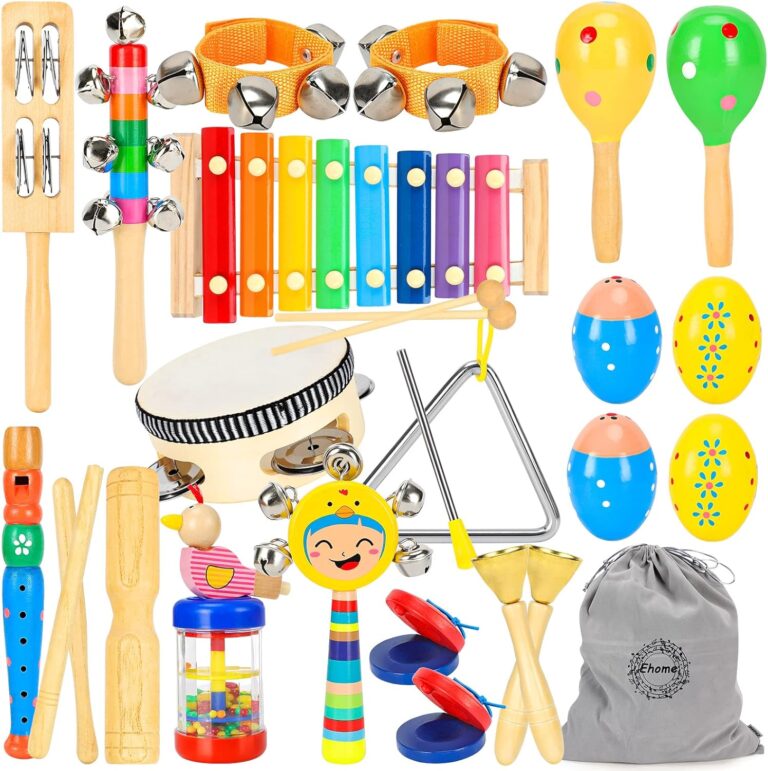
Traditional toys haven’t disappeared, but they are competing harder for attention than they used to. A wooden puzzle or a set of building blocks doesn’t light up, respond, or offer a new level to unlock. For kids used to instant digital feedback, quieter toys can feel slow or unexciting by comparison. That doesn’t make traditional toys less valuable, but it does explain why they sometimes get left on the shelf.

Shift towards digital entertainment
Digital entertainment now covers an enormous range of options, from YouTube kids’ channels to interactive story apps to multiplayer games. There’s always something new to watch or play, and it’s all available on demand. For today’s kids, waiting for a specific TV show or digging through a toy box feels like extra effort when a screen offers everything immediately.
That convenience is genuinely difficult to compete with. Traditional toys require a child to generate their own direction and momentum, which is valuable but also demands more from them than tapping a screen does. It’s not surprising that kids sometimes default to the easier option, especially when they’re tired or bored. The question is whether parents want to let that default go unchallenged.’

Impact of media and advertising on toy preferences
Advertising shapes what kids ask for, and right now a lot of advertising points toward screens and electronics. Kids see devices featured prominently in shows, YouTube videos, and ads, which makes those products feel exciting and desirable. The message kids absorb is that electronics are what cool, fun kids use. That kind of constant exposure has a real effect on what ends up on birthday and holiday wish lists.’
’’
Factors Influencing Kids’ Preferences
Media and advertising
Beyond general exposure, advertising is specifically designed to create desire. Toy and tech ads are crafted to make products look as exciting as possible, and electronic devices tend to photograph and film better than a simple toy. Kids watch these ads and internalize the idea that screens equal fun. The cumulative effect of repeated exposure builds a strong preference before a child has even tried the product.’
Peer influence
What kids around them are using matters a lot. If most of a child’s class talks about the same game or app, not having access to it can feel isolating. Kids want shared reference points with their friends, and right now those shared reference points are often digital.
A child who plays with blocks at home but can’t join the conversation about a popular game at school may feel left out. That social pressure is a genuine driver of electronic preference, separate from whether the child actually enjoys screens more.
Parental attitudes and preferences
How parents approach screens at home sets the tone for what kids treat as normal. In households where devices are used freely and often, kids grow up seeing screen time as a standard part of daily life. In households where screen time is limited and physical toys are prioritized, kids adapt to that environment instead. Parents shape these habits more than they often realize, both through rules and through their own behavior with devices.’
’
Educational Benefits of Electronics
Electronic devices as learning tools
One of the genuine arguments in favor of kids using electronic devices electronics is that many of them are built with learning in mind. There are well-designed apps and programs that teach reading, math, coding, and critical thinking in ways that feel engaging rather than like homework. When used intentionally, a tablet can be a solid learning tool.
The key word is intentionally. Not all screen time is educational, and passive watching is very different from interactive learning. Parents who pick specific apps and set a purpose for device use tend to get much better outcomes than those who hand over a screen without direction.
Interactive and engaging educational apps
Good educational apps work because they make kids active participants rather than passive viewers. Quizzes, puzzles, and games that adjust to a child’s level keep the challenge appropriate and maintain interest. Kids get immediate feedback when they answer correctly or make a mistake, which helps them learn faster than waiting for a teacher or parent to respond.
The best of these apps use game mechanics to keep kids motivated without sacrificing the learning content. That combination of engagement and education is genuinely hard to replicate with a worksheet or a traditional toy.
Access to information and knowledge
A device gives a curious kid access to answers immediately. If a child wants to know how volcanoes work or what a specific animal eats, they can find out in seconds. That kind of on-demand access to information supports curiosity and independent thinking in a way that wasn’t possible before.
Traditional toys can spark curiosity but can’t answer questions. Electronics can’t build physical skills or encourage pretend play in the same way toys can. Both have a role, and recognizing what each does well helps parents use them more effectively.

Concerns about Electronic Overuse
Negative effects of excessive screen time
Too much screen time creates real problems for kids. Eye strain, headaches, and neck pain from hunching over a device are common physical complaints. Kids who spend long stretches on screens also tend to move less, which compounds other health concerns over time.’
Sleep is another area where excessive screen use causes clear issues. The blue light emitted by screens interferes with melatonin production, making it harder for kids to fall asleep and stay asleep. A child who uses a device right before bed is likely to sleep less well than one who doesn’t, and poor sleep affects mood, focus, and behavior the next day.
Physical and mental health implications
The mental health picture is more complex but worth taking seriously. Kids who spend a lot of time on screens, particularly on social media or passive video consumption, can develop unrealistic comparisons, lower self-esteem, and a reduced ability to tolerate boredom. Boredom tolerance is actually an important skill that supports creativity and self-regulation, and constant screen stimulation can erode it.’
Kids who rely heavily on electronics for entertainment may also struggle to entertain themselves without a device. That dependency can make transitions harder, whether it’s putting down the tablet for dinner or coping with downtime on a car trip without a screen.
Social and emotional development challenges
Physical toys naturally push kids toward each other. Building something together, playing pretend, negotiating rules for a game, these are all activities that develop empathy and communication in a way that solo screen play typically doesn’t.
When screen time consistently replaces that kind of interaction, kids miss practice with the social skills they need most. Reading facial expressions, managing conflict, and collaborating with others are all things that develop through direct interaction, not through a screen.’
Impact of Electronics on Play
Changing nature of play
Electronics have shifted what play looks like for kids. Where traditional toys invite open-ended exploration, most apps and games come with built-in structures, objectives, and rules. The child follows the game’s logic rather than inventing their own.
That isn’t inherently bad, but it does represent a narrower kind of and digital play have real value. Kids who only play within pre-built digital worlds get less practice creating their own, which is a skill that matters beyond childhood.
Role of imagination and creativity
Imaginative play is where kids rehearse problem-solving, emotional regulation, and storytelling. A cardboard box can become a spaceship. A set of blocks can become a city. That kind of unstructured, self-directed play is genuinely valuable and doesn’t require any technology.
Electronics can support creativity in some cases, drawing apps, music tools, and building games being good examples. But they can also replace imagination with pre-packaged narratives. The difference comes down to whether the child is creating or consuming.
Effects on social interaction and communication skills
Playing together with physical toys builds communication skills in real time. Kids have to negotiate, take turns, explain ideas, and respond to each other. These micro-interactions add up over time and build the foundation for how kids relate to others.’
Online multiplayer games do offer some social interaction, but it
s filtered through a screen and often limited to task-focused communication. It can be a supplement to face-to-face play, but it doesn’t replace it. Mixing electronic play with physical, social play gives kids the best of both.

Balancing Electronics and Traditional Toys
Encouraging a variety of play experiences
The goal isn’t to eliminate electronics or to avoid traditional toys. It’s to make sure kids have access to a range of experiences. A child who builds with blocks, plays pretend, reads physical books, and also uses educational apps is getting a well-rounded mix. No single type of play covers everything kids need.
Variety also keeps kids from becoming overly dependent on any one type of stimulation. When kids are used to different kinds of play, they’re more adaptable and better at entertaining themselves across different situations.
Finding a balance between screen time and physical play
Setting clear boundaries around screen time is one of the most practical things parents can do. This doesn’t have to be rigid, but having some structure, like screens off during meals, no devices in bedrooms at night, or a daily time limit, makes a real difference. Kids adjust to whatever the household norm is, so establishing a reasonable one early is easier than trying to walk back habits later.
Making physical activity and outdoor time a regular part of the day also helps. When kids spend time running around, playing sports, or doing creative activities, they’re less likely to default to screens out of boredom.
Using technology as a complementary tool
The most useful frame for technology is as a tool, not a destination. A tablet that helps a child learn to read is doing something valuable. An hour of passive video watching before bed is less so. Parents who think about what electronics are adding to their child’s day tend to make better decisions about when and how to allow them.
Some of the best play experiences combine both. An app that goes alongside a physical science kit, or a building game that inspires a real-world construction project, uses technology to enhance rather than replace hands-on engagement.

Gender Differences in Electronic Toy Preferences
Stereotypical gender preferences in toy choices
Toy marketing has historically sorted products by gender, steering girls toward nurturing and domestic play and boys toward action and construction. Electronics have shifted this to some extent. Gaming, coding toys, and tech gadgets are now marketed much more broadly, and kids across genders are engaging with them.
That doesn’t mean gender-based preferences have disappeared entirely, but the lines are less defined than they used to be. Kids today have access to a wider range of electronic toys that don’t carry strong gender signals, which opens up more choice.

Changing gender norms and equal participation in technology
There’s a growing cultural shift toward treating technology as something for everyone. Girls are being actively encouraged to engage with coding, robotics, and STEM-related electronics in ways that weren’t common a decade ago.
This matters because early exposure to technology shapes long-term comfort and confidence with it. When kids grow up seeing electronics as equally available to all of them, rather than as something belonging to one gender, they
re more likely to explore and develop those interests freely. That benefits both individual kids and the broader goal of closing gender gaps in tech fields.
Role of marketing and targeted advertising
Advertising still plays a significant role in shaping what kids think is meant for them. When a toy is consistently shown being used by one gender, kids pick up on that signal even without being told directly. Those associations influence what they ask for and what they feel comfortable choosing.’
Parents can push back on this by exposing kids to a range of toys without attaching gender expectations to them. Letting a child pick based on what they find interesting, rather than what the packaging implies, leads to more authentic preferences and broader skill development.’
Understanding Generational Shifts
Impact of generational differences on toy preferences
Kids growing up today have a completely different baseline than kids who grew up in the 80s or 90s. For today’s children, touchscreens and voice assistants are just part of the environment, not novelties. For parents who grew up with board games and outdoor play, the instinct is sometimes to see digital play as a lesser or less legitimate form of play. But that framing may say more about familiarity than about actual quality. Both “traditional” play.
Understanding that difference in baseline helps parents make less reactive decisions about technology. The goal isn’t to recreate your own childhood for your kids, it’s to give them a childhood that serves them well in the world they’re actually growing up in.
Parents’ perception of technology and its effects on children
Parents’ views on technology tend to shape household rules more than research does. A parent who had a positive experience with technology at school may be more relaxed about screen time. One who worries about addiction or distraction may set stricter limits. Neither stance is automatically right, and the reality is usually somewhere in between. What matters is that the rules are consistent and actually connected to the child’s wellbeing rather than just parental anxiety.
Talking openly with kids about why certain limits exist also helps. Kids who understand the reasoning behind screen time rules are more likely to respect them than kids who just see it as arbitrary parental control.’’
Differences in play patterns and interests
Different generations really do play differently. Kids who grew up before smartphones remember long stretches of unstructured outdoor play and make-believe. Today’s kids often have more scheduled, screen-mediated time, which produces a different kind of childhood experience.
Neither version is purely better. Unstructured physical play builds skills that screens can’t replicate. Digital play builds comfort with technology that will matter in adulthood. The challenge for parents is making sure today’s kids still get enough of the former while navigating an environment that defaults to the latter.

The Future of Toys and Electronics
Emerging trends in the toy industry
The toy industry is actively responding to the fact that kids are growing up with screens. Rather than competing with electronics, manufacturers are increasingly finding ways to incorporate technology into toys themselves.
Augmented reality features, app-connected toys, and programmable robots are all growing categories. These products try to capture the engagement that screens offer while keeping some physical, hands-on element intact.

AI is also starting to appear in toys, allowing for more personalized and adaptive play experiences. Whether these features genuinely improve play or just add complexity remains to be seen, but the direction of development is clear.
Integration of technology in traditional toys
Some of the most interesting products right now are hybrids, toys that have a physical component but connect to digital content in a meaningful way. A building set that comes with a coding app, or a book that triggers animations when you hold up a device, tries to get kids off the couch while still offering the engagement of a screen.
These products work best when the physical and digital elements genuinely complement each other rather than the digital part just being a gimmick layered onto the toy. When they’re well designed, they offer a broader play experience than either format alone.
Importance of adaptable toys
Toys that can grow and change with a child tend to stay relevant longer. A toy that works differently as a child develops, or that can be combined with new components over time, offers more sustained value than something that gets used for a week and then ignored.’Adaptability also means flexibility across play types. Toys that work for solo play, group play, and can connect to digital experiences give kids more ways to engage with them across different situations and stages.
The most durable toys in this sense are ones that don’t lock a child into one way of playing. Open-ended materials and toys that invite customization tend to stay in rotation longer, which also makes them better value for money.
The honest answer to whether kids prefer electronics over toys is: it depends on what you put in front of them. Given free choice with no guidance, many kids will default to screens because screens are designed to be compelling. But kids who grow up with a range of play options and some structure around device use typically enjoy both. The preference for electronics isn’t fixed. It’s shaped by habit, environment, and what parents normalize at home.
Traditional toys haven’t become irrelevant. They just need to be offered intentionally rather than left to compete on their own against a tablet with unlimited content.
Advertising, peer dynamics, and parental habits all feed into what kids gravitate toward. Being aware of those influences gives parents more room to shape them. Electronics have real benefits, and those benefits are worth using. But they work best as part of a broader play environment rather than as the default setting for all free time. The health, social, and developmental concerns around overuse are real and worth taking seriously before habits become entrenched. What kids need most is variety, and that’s something parents can actually provide regardless of their budget or the technology available to them.
Conclusion
Getting the balance right between electronics and traditional toys isn’t about being anti-technology. It’s about making sure kids get the full range of experiences they need. Gender norms around toys are shifting, which is mostly a positive development. Generational differences in how parents and kids relate to technology are real and worth understanding rather than dismissing. Parent’ attitudes set the tone at home, and that influence is significant.
The toy industry will keep evolving, and hybrid products that blend physical and digital play are likely to become more common. The parents who navigate this best will be the ones who stay focused on what their child actually needs from play, not just what’s newest or most requested. That means staying curious, setting reasonable limits, and keeping a mix of options available as kids grow.’
If you want a closer look at the specific downsides, our breakdown of the disadvantages of electronic toys for kids covers the key concerns parents should know about.
Related posts:
 Are VTech Toys Good For Development?
 What Are The Disadvantages Of Electronic Toys?
 Masters of the Universe Origins Toy Review
 Frankentron Action Figure Review
 3 in 1 Montessori Toy Review
 Ehome Musical Instruments Toys for Toddlers 1-3 Review
 iPlay, iLearn Toddler Musical Instruments Toys Review
 REMOKING RC Track Car Review